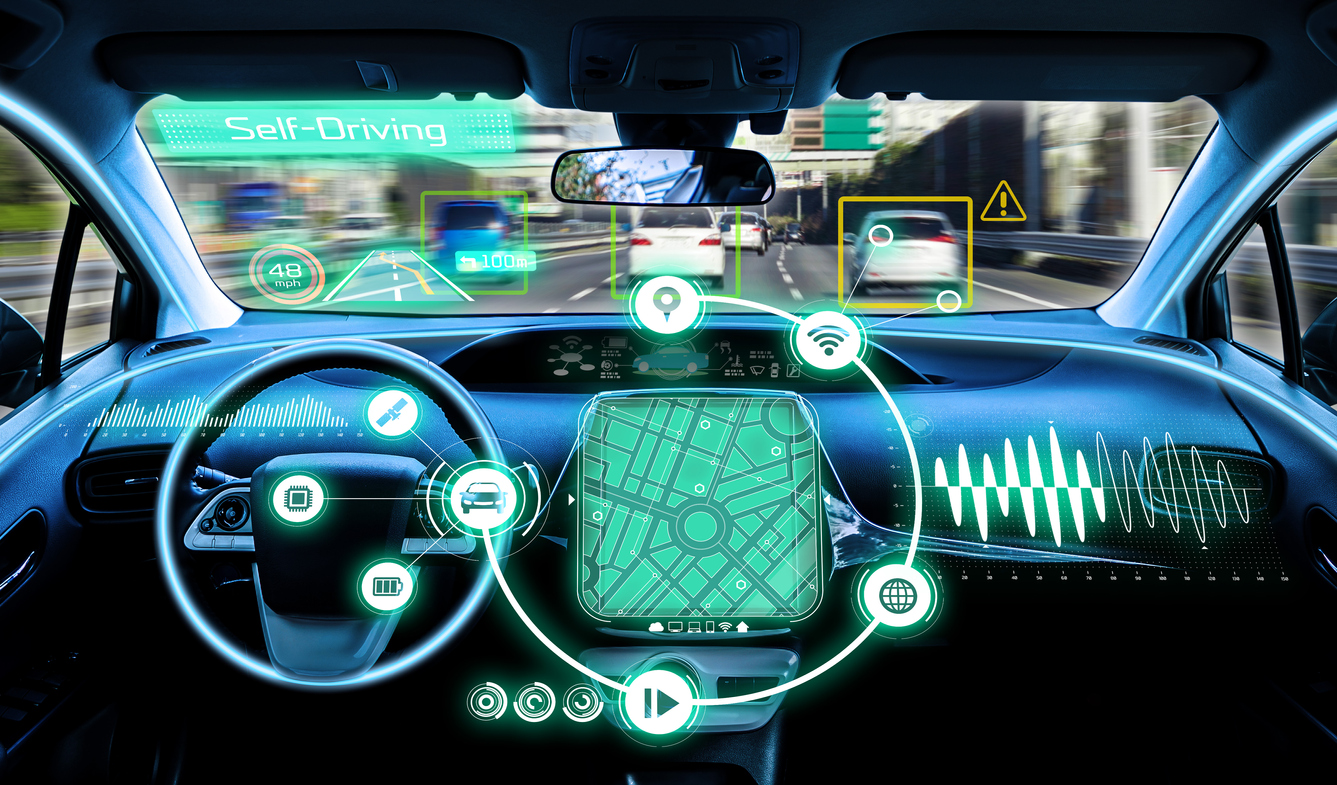
In an era where technology is steering the automotive industry toward unprecedented innovation, the rise of connected and autonomous vehicles brings forth a new set of challenges. As cars become smarter and more interconnected, the need for robust cybersecurity measures has never been more critical. Join us as we explore the cybersecurity challenges associated with connected and autonomous vehicles and delve into the efforts being made to secure the road ahead.
1. The Rise of
Connectivity: Opening New Avenues, Paving New Risks
Connected vehicles leverage advanced communication technologies to share data with each other and with the infrastructure. While this connectivity promises enhanced safety and efficiency, it also opens up potential vulnerabilities. We'll explore the cybersecurity risks associated with the increased surface area for cyber threats and the implications for vehicle safety.
2. Autonomy Amplifies
Risks: Hacking the Driverless Experience
Autonomous vehicles rely heavily on complex algorithms and sophisticated sensor systems. The integration of Artificial Intelligence (AI) and machine learning introduces a new dimension to cybersecurity challenges. We'll discuss the risks associated with potential AI manipulation, sensor spoofing, and the importance of securing the decision-making processes in autonomous driving systems.
3. Data Privacy Concerns:
The Trail of Personal Information
Connected vehicles generate vast amounts of data, from location information to driver behavior patterns. This wealth of data is a goldmine for cybercriminals seeking to exploit personal information. We'll explore the importance of data privacy in the automotive industry and the measures being taken to protect the sensitive information generated by connected and autonomous vehicles.
4. Over-the-Air (OTA)
Updates: A Double-Edged Sword
The ability to update vehicle software remotely (OTA updates) is a boon for manufacturers seeking to enhance performance and address vulnerabilities promptly. However, this feature also presents a potential avenue for cyberattacks. We'll examine the delicate balance between maintaining vehicle security and ensuring seamless software updates.
5. Collaborative
Solutions: The Role of Industry and Regulation
Addressing cybersecurity challenges in connected and autonomous vehicles requires a collaborative approach. We'll explore the efforts of the automotive industry, government bodies, and cybersecurity experts in establishing standards and regulations to mitigate risks and ensure the safety and security of connected vehicles.
Conclusion: Steering
Toward a Secure Future
As we navigate the intricate
landscape of cybersecurity challenges in connected and autonomous vehicles,
it's evident that securing the future of smart transportation requires diligence
and innovation. With the collective efforts of the automotive industry and
cybersecurity experts, we can create a road ahead that is not only connected
and autonomous but also safe and secure. Stay tuned as we continue to monitor
and analyze the evolving landscape of cybersecurity in the world of smart
mobility.